




Liquid Silicone Rubber
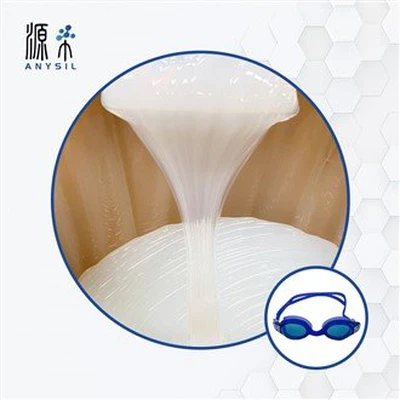
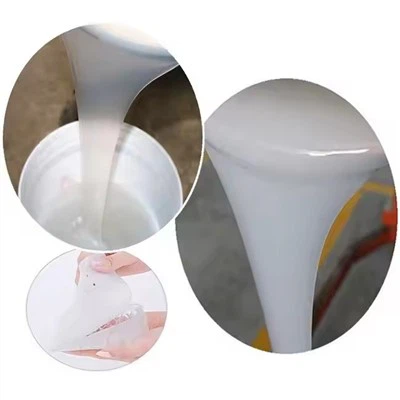
Liquid silicone rubber is a high purity platinum cured silicone with low compression set, good stability and ability to resist extreme temperatures of heat and cold ideally suitable for production of parts, where high quality is required. Due to the thermosetting nature of the material, liquid silicone injection molding requires special treatment, such as intensive distributive mixing, while maintaining the material at a low temperature before it is pushed into the heated cavity and vulcanized.
Why Choose Us?
Professional Technical Team
Have a number of highly qualified technical management personnel and with rich practical experience of skilled workers.
Rich Experience
We are a collection of organic silicone new materials research and development, production, sales and service in one of the major raw material manufacturer.
Reliable Product Quality
We have got the certification of ISO9001, REACH , FDA approval and FLGB and OEKO-TEX /ZDHC/ROHS/SVHC/Medical bio-compatibility Certifications.
Wide Market
Products with stable quality and good services ,sold well all over the country and exported to Europe, America, Southeast Asia, more than 50 countries and regions.





Distinguishing Features of Liquid Silicone Rubber
Biocompatibility
LSR is safe for prolonged contact with living tissues and bodily fluids. This property is crucial for medical applications, where implants, devices, and equipment must meet stringent biocompatibility standards.
Chemical Resistance
Liquid silicone rubber demonstrates excellent resistance to various chemicals, including oils, solvents, and cleaning agents. This is critical for applications where exposure to aggressive substances is inevitable, such as industrial machinery, chemical processing equipment, and medical devices.
Electrical Insulation
LSR is a preferred material for insulating electrical and electronic components. Its high dielectric strength and resistance to electrical breakdown make it suitable for cable insulation, electrical connectors, and circuitry encapsulation.
Flexibility
This material can easily conform to intricate shapes and contours; its elastomeric nature allows it to stretch and compress without permanent deformation. It can also maintain flexibility over time, ensuring reliable performance in demanding environments.
Heat Resistance
LSR exhibits remarkable heat resistance, retaining its mechanical properties and dimensional stability across a broad temperature range. This ensures the reliability and longevity of LSR-based products in demanding thermal environments, contributing to their widespread adoption in various industries.
Optical Clarity
Certain formulations of LSR offer exceptional optical clarity, allowing light to pass through with minimal distortion. This feature is essential for applications requiring transparent or translucent components, such as lenses, light guides, and optical sensors.
Types of Liquid Silicone Rubber



General Purpose LSR
This is a widely used material with extensive applications due to its flexibility, biocompatibility, and heat resistance. Typical uses of general purpose LSR type include seals, gaskets, and industrial components.
High-Temperature LSR
High-temperature liquid silicone rubber materials can withstand extreme heat exposure without degrading or compromising its qualities. Common applications of this LSR include industrial equipment, automotive parts, and electronic components.
Medical Grade LSR
This type of liquid silicone rubber is formulated to meet the strict biocompatibility and safety requirements for medical and healthcare products. Medical grade LSR materials are sterilizable and biocompatible, making them suitable for applications that require contact with the human body.
Self-Bonding LSR
Self-bonding LSR material exhibits excellent properties of adhering to itself without using other adhesives. Therefore, it is perfect for making complex assemblies without depending on traditional bonding techniques.
Food-Grade LSR
The food grade is similar to the medical grade LSR. It meets strict requirements for contact with food and beverages. Baby products, baking molds, and kitchen utensils are typical food-grade liquid silicone material applications.
Electrically Conductive LSR
It contains electrostatic discharge (ESD) additives that offer electrical conductivity properties. This grade is commonly used in applications with electrical conductivity and flexibility of silicone rubber requirements, including EMI/RFI shielding and flexible circuits.
Optically-Clear LSR
Optically clear liquid silicone rubber is suitable for making products like lenses, light guides, and other optical parts and equipment with transparency and optical clarity requirements.
Application of Liquid Silicone Rubber
Aerospace
Seals, gaskets, and other aircraft components that can withstand temperature extremes and other harsh conditions make the material appropriate for many aerospace applications.
Automotive
The durability and heat resistance of liquid silicone makes it a common material for connectors, gaskets, and seals, while it’s also reliable in lower temperatures and deals well with vibrations.
Consumer goods
The soft texture and ability to easily accept pigments give liquid silicone rubber an appealing feel and look for items like kitchenware and products for babies, while its durability and flexibility make it great for wearable devices that expose the material to a variety of conditions.
Electronics
Connectors, keypads, and other parts that require electrical insulation are often made with the material due to their heat and chemical resistance, which makes them more reliable and longer lasting.
Food and beverage
Its biocompatibility and reliability in extreme temperatures make liquid silicone a good fit for seals, molds, and packaging used in the production of food and beverages.
Healthcare
Since it handles sterilization processes well, liquid silicone is widely used in the fabrication of prosthetics, along with medical implants and other devices used in the healthcare sector.
Renewable energy
Wind turbines and solar panels use seals, gaskets, and other components made from the material, as liquid silicone rubber resists severe weather and other extreme environmental conditions, including extreme temperatures and ultraviolet radiation.

LSR is a carefully made material with a complex chemical makeup. It is mainly made of long chains of silicon and oxygen atoms. This structure gives silicone its great flexibility and ability to handle heat well. Silicon atoms have extra groups attached, like methyl and phenyl, which make the rubber even better at handling temperature and being strong.
What makes LSR special is how it’s cured, or turned from liquid to solid, using a platinum catalyst. This process is important because it decides how stretchy, strong, and tear-resistant the rubber will be.
To meet different needs, LSR can be mixed with other things. For example, some additions make it stronger, some add color, and some help it handle heat better. Sometimes, special additives are used to make it safe for specific uses, like in electronics or medical devices.
The science behind LSR is about getting the right balance in its structure and the extra things added. This allows for making different types of LSR that can survive extreme conditions, resist chemicals, handle stress well, and be safe for use in sensitive applications.
The Process of Liquid Silicone Rubber Molding
Mixture Preparation
To ensure the proper performance and characteristics of the final product, the liquid silicone rubber mixing process is prepared by accurately measuring and mixing two components – the base silicone and the catalyst. In addition, pigments and additives, including pigment, can be added to achieve specific color or enhance the material’s properties. The mixture is carefully homogenized to ensure uniform distribution of components throughout the silicone.
Insert Placement
In some cases, the final product may require the incorporation of internal parts or inserts such as gaskets. These inserts, which can be made of various materials, must be properly positioned within the mold before the injection process. The molds are designed with specific features to accommodate the placement of these inserts, ensuring they are properly embedded within the silicone coating during the injection process. If the inserts are not properly positioned, it can lead to defects such as cavity formation, which can compromise the quality of the final product.
Mold Heating
Heating is an essential step in the liquid silicone rubber molding process. The mold is typically warmed through the circulation of water in the mold’s cooling channels or by utilizing electric heaters. This makes the material flow better when it’s injected into the mold. In some cases, a cold runner system may be incorporated to maintain specific areas of the mold at a lower temperature to prevent premature curing or excessive material waste. The temperature required in this process depends on the different materials.
Injection
Once the mold is heated and ready, it is closed, and the liquid injection molding process begins. Putting the silicone mix into the mold with high pressure makes sure it fills up all the mold’s spaces and pathways. How long the injection process takes can vary, and it depends on things like how strong the injection pressure is and how thick the silicone is. Optimal injection parameters are determined through extensive testing and optimization to achieve the desired product quality and prevent oxidation.
Curing
Once the mold gets packed with liquid silicone rubber, the mold’s temperature is meticulously elevated to speed up the curing, or hardening, process.This elevated temperature promotes the crosslinking of the polymer chains within the silicone material, transforming it from a liquid state into a solid state. The cycle time for curing and the temperature are precisely controlled to ensure complete and uniform curing throughout the material. Platinum catalyst is often used to speed up the curing process and ensure a high-quality final product with fast cure.
Cooling and Demolding
Once the curing process is complete, the mold is cooled down to solidify the silicone further. The product is then taken out from the mold, a process which is known as demolding. Depending on the specific cooling requirements, the demolded product may be cooled further in ambient conditions. This final cooling step ensures that the product achieves its final dimensions and properties before it is ready for further processing or use.

Considerations When Selecting Liquid Silicone Rubber
Cost
Liquid silicone rubber tends to be more expensive than organic elastomers. The price premium may be justified for critical applications where performance outweighs cost.
UV Resistance
LSR has only moderate UV resistance compared to fluorosilicone and EPDM. Additional stabilization is required for outdoorexposure.
Tear Strength
LSR has lower tear strength compared to some other flexible materials. It is important to design appropriate product geometries to avoid rips and tears.
Adhesion
Joining or bonding LSR to itself and other materials can require specialized chemical treatments. Proper surface preparation is key.
Strength
While flexible, LSR has lower tensile strength than many common plastics and metals. Careful structural design is necessary when replacing other materials with LSR.
What is The Process of Liquid Silicone Rubber Manufacturing?
Step One: Material Selection
Based on the planned use, the first step is to select the appropriate grade of liquid silicone rubber. It’s critical to take into consideration factors like biocompatibility, clarity, and temperature resistance. Mixing and Coloring: LSR is packaged in two parts that must be properly mixed. Pigments can be applied at this point to deliver color. To prevent material discrepancies, uniform mixing is critical.
Step Two: Mold Design and Fabrication
A mold’s design is crucial. It needs to have precise channels for the LSR to flow through and take into consideration the expansion and contraction of the silicone. Excellent molds guarantee regular product measurements and eliminate flaws.
Step Three: Process of Injection Molding
High pressure is utilized to inject LSR into the mold. To guarantee that the silicone cures completely and without air bubbles or other flaws, the method calls for exact control over the temperature and pressure.
Step Four: Curing
The LSR has to go through curing upon injection. Typically, this procedure is carried out in hot conditions. Strict control over the temperature and duration is necessary to guarantee full curing without leading to the degradation of the material.
Step Five: Quality Control and Inspection
Each part is inspected for defects like air bubbles, insufficient curing, or dimensional inaccuracies after it has been cured. Precision inspection is possible through the use of sophisticated methods such as digital scanning.
Step Six: Final Touches
All necessary finishing procedures, such as eliminating extra material or applying surface to the texturing process, are carried out. Care must be exercised at this phase to prevent harm to the part.
Step Seven: Packaging and Shipping
At last, the products are ready for shipment after being packaged. Handling with caution is required to avoid damage during transit. The LSR manufacturing process needs careful attention to detail. The final product’s quality is significantly affected by variables such as operator skill, equipment precision, and environmental cleanliness.
Comparing Liquid Silicone Rubber to Other Materials

LSR vs. Traditional Silicone Rubber
LSR vs. Thermoplastic Elastomers (TPEs)
LSR vs. Natural and Synthetic Rubbers
Biocompatibility
Environmental Considerations
Properties of Liquid Silicone Rubber
Stable under extreme temperatures
Fully cured silicone rubber has a normal operating temperature of -100 °C to 300 °C. Within this range, the material retains its shape and other physical properties. Even at extreme temperatures, the thermal conductivity, tensile strength, dielectric strength, and tear strength remain superior to other organic rubbers. These characteristics make silicone rubber the material of choice for applications that require a material that retains stable properties even when exposed to extreme conditions.
Chemically resistant
The silicon-based backbone of silicone rubber makes it a highly inert material that does not react with other chemicals. This makes silicone rubber an excellent material for applications that call for constant exposure to oils, solvents, acids, and bases. It is safe for food contact. In turn, this also means that silicone rubber is a bio-compatible material that is suitable for prosthesis and other medical tools. It is hypoallergenic enough to be used in products meant for baby care.
Superior electrical insulation
As with organic rubber, silicone rubber is a natural electrical insulator. It is an ideal material for the insulation of wires and other electrical components, enhanced further by high-precision manufacturing methods that allow the insulation of small parts.
Translucent
In its base form, silicone rubber has a translucent to almost clear appearance. With pigment application, silicone rubber becomes a highly versatile material in terms of appearance and color requirement. Even skin tones can be easily simulated for prostheses.
Fast cure cycle
One of the more valuable characteristics of silicone rubber is that it lends itself well to rapid manufacturing processes. Upon combination of its components, the uncured gel-like polymer can be injection molded. This allows for large-batch processing, ensures repeatability, and can be adapted to automated processes. The suitability of liquid silicone rubber to fast-paced manufacturing is one of the main drivers of its commercial value.
Our Factory
Guangdong Anysil Silicone Co.,LTD was founded in 2017, Located in Guangzhou, China. It is a collection of organic silicone new materials research and development, production, sales and service in one of the major raw material manufacturer. We have formed a product research and development, quality supervision, market operation, service and consulting, etc of a complete operation system. The company has advanced organic silicone production equipment, professional matching analysis, testing scientific instruments and strong production technology, and has a number of highly qualified technical management personnel and with rich practical experience of skilled workers.


Our Certifications
We have got the certification of ISO9001, REACH , FDA approval and FLGB and OEKO-TEX /ZDHC/ROHS/SVHC/Medical bio-compatibility Certifications.


Ultimate FAQ Guide to Liquid Silicone Rubber
Q: What is liquid silicone rubber used for?
Q: Is liquid silicone rubber body safe?
Q: Why is liquid silicone so expensive?
Q: What are the advantages of liquid silicone rubber?
Q: How long does liquid silicone rubber take to dry?
Q: What temperature does liquid silicone rubber cure at?
Q: What is the difference between liquid silicone and silicone?
Q: What is the shelf life of liquid silicone?
Q: How do you cure liquid silicone rubber?
Q: Is liquid silicone safe to touch?
Q: Does liquid silicone stick to plastic?
Q: Does liquid silicone get dirty easily?
Q: What is the solvent for liquid silicone rubber?
Q: How do you apply silicone rubber?
Q: What is the temperature of LSR?
Q: What is the difference between solid silicone rubber and liquid silicone rubber?
Q: What is the shelf life of liquid silicone rubber?
We're well-known as one of the leading liquid silicone rubber manufacturers and suppliers in China. If you're going to buy high quality liquid silicone rubber with competitive price, welcome to get free sample from our factory. Also, customized service is available.