




What Is Liquid Silicone Rubber? A Complete Guide for Industrial Buyers
If you're sourcing materials for medical devices, automotive components, electronics, or consumer products, you've probably come across Liquid Silicone Rubber (LSR). But what exactly is LSR, and why has it become one of the most popular elastomers for precision manufacturing?
As an industrial buyer, selecting the right material can directly affect product quality, production efficiency, and long-term reliability. In this guide, we'll explain everything you need to know about Liquid Silicone Rubber, including its properties, applications, benefits, and how to choose a reliable supplier.

What Is Liquid Silicone Rubber (LSR)?
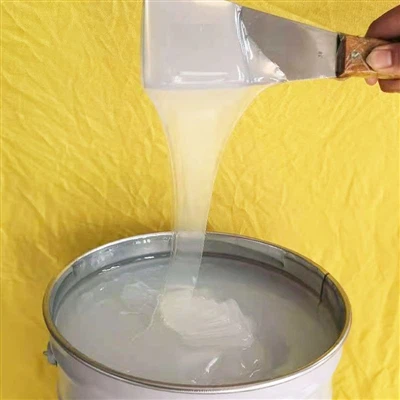
Liquid Silicone Rubber (LSR) is a two-component, platinum-cured silicone elastomer that remains in liquid form before processing. It is designed for Liquid Injection Molding (LIM), allowing manufacturers to produce complex, high-precision silicone parts with excellent consistency.
Unlike solid silicone rubber that requires traditional compression molding, LSR is injected into heated molds where it cures rapidly, making it ideal for high-volume automated production.
Because of its excellent mechanical properties and biocompatibility, LSR has become the preferred material in many demanding industries.
How Is Liquid Silicone Rubber Made?
LSR typically consists of two separate components:
Part A – Contains the platinum catalyst.
Part B – Contains the crosslinking agent.
These two components are mixed in a 1:1 ratio before injection molding. Once heated inside the mold, they cure quickly to form a durable silicone rubber part.
This platinum-cure system provides:
No peroxide residue
Low volatile content
Excellent transparency
Consistent physical properties
Superior long-term stability

Key Properties of Liquid Silicone Rubber
Industrial buyers choose LSR because it combines flexibility, durability, and processing efficiency.
Excellent Heat Resistance
LSR maintains stable performance across a wide temperature range, typically from -50°C to 200°C, with some specialized grades offering even higher resistance.
Outstanding Flexibility
Its excellent elasticity allows repeated deformation without permanent damage, making it ideal for dynamic sealing applications.
High Transparency
Many grades provide crystal-clear transparency, particularly important for medical and optical products.
Chemical Resistance
LSR resists moisture, UV radiation, ozone, oxidation, and many industrial chemicals.
Electrical Insulation
Excellent dielectric properties make it suitable for electrical connectors and electronic components.
Biocompatibility
Medical-grade LSR can comply with standards such as:
ISO 10993
USP Class VI
FDA regulations for medical applications
Advantages of Liquid Silicone Rubber
Compared with conventional rubber materials, LSR offers several important advantages.
High Production Efficiency
Liquid Injection Molding enables:
Fast cycle times
Fully automated production
Reduced labor costs
Consistent product quality
Complex Part Design
LSR easily fills intricate mold cavities, making it suitable for:
Thin-wall products
Micro-components
Precision medical devices
Long Service Life
Its excellent aging resistance ensures long-term performance even under harsh environmental conditions.
Low Maintenance
LSR requires little maintenance after molding due to its excellent durability and wear resistance.

Main Applications of Liquid Silicone Rubber
Medical Devices
Medical-grade LSR is widely used for:
Catheters
Laryngeal Mask Airways (LMA)
Endotracheal Tubes
Respiratory Masks
Syringe Components
Medical Seals
Wearable Healthcare Devices
Its excellent biocompatibility makes it ideal for direct contact with the human body.
Automotive Industry
Automotive manufacturers use LSR for:
Connector seals
O-rings
Gaskets
Sensor components
Cable protection
Self-lubricating seals
Its resistance to extreme temperatures and automotive fluids makes it highly reliable.
Consumer Products
Common applications include:
Baby products
Kitchen utensils
Wearable electronics
Personal care devices
Smart accessories
Electronics Industry
LSR is widely used in:
Electrical connectors
Waterproof seals
Keypads
LED lighting components
Cable accessories
Medical Grade LSR vs Industrial LSR
Many buyers confuse these two materials, but they serve different purposes.
| Feature | Medical Grade LSR | Industrial LSR |
|---|---|---|
| Biocompatibility | Yes | No |
| ISO 10993 | Yes | Not Required |
| USP Class VI | Optional | No |
| Medical Applications | Yes | No |
| Industrial Components | Yes | Yes |
| Automotive Parts | Limited | Excellent |
Medical-grade LSR undergoes strict testing and certification, while industrial LSR focuses on durability, mechanical strength, and processing performance.
How to Choose the Right Liquid Silicone Rubber Supplier
Selecting a qualified supplier is just as important as selecting the material itself.
Look for suppliers that offer:
Stable Product Quality
Consistent raw materials ensure reliable molding performance.
Technical Support
An experienced supplier should provide formulation recommendations, molding guidance, and troubleshooting assistance.
Customized Solutions
Different industries require different hardness, viscosity, transparency, and mechanical properties.
International Certifications
Choose suppliers with internationally recognized quality systems and compliance documentation.
Reliable Delivery
Stable production capacity and fast delivery help reduce supply chain risks.
Why Choose ANYSIL SILICONE?
At ANYSIL SILICONE CO., LTD, we specialize in developing and manufacturing high-quality Liquid Silicone Rubber (LSR) for industrial and medical applications.
Our product portfolio includes:
Medical Grade LSR
Industrial Liquid Silicone Rubber
Self-Lubricating LSR
Optical Grade Silicone
Customized LSR Solutions
Our advantages include:
Advanced manufacturing facilities
Stable product quality
Customized formulations
Professional technical support
Fast global delivery
Extensive export experience
Whether you're developing medical devices, automotive components, or precision industrial products, our team is ready to help you find the right silicone solution.
Frequently Asked Questions (FAQ)
Is Liquid Silicone Rubber better than solid silicone?
For high-volume precision manufacturing, yes. LSR offers faster production, better consistency, and supports fully automated injection molding.
What industries commonly use LSR?
Medical, automotive, electronics, consumer products, electrical components, and industrial manufacturing all widely use Liquid Silicone Rubber.
Is Liquid Silicone Rubber safe?
Medical-grade LSR is highly biocompatible and suitable for healthcare applications when it meets standards such as ISO 10993 and USP Class VI.
Can LSR be customized?
Yes. LSR can be customized for hardness, transparency, color, viscosity, self-lubrication, flame resistance, and other performance requirements.
Conclusion
Liquid Silicone Rubber has become one of the most versatile materials in modern manufacturing thanks to its outstanding durability, flexibility, precision molding capability, and long service life.
For industrial buyers, choosing the right LSR material and partnering with a reliable manufacturer can significantly improve product quality and production efficiency.
ANYSIL SILICONE CO., LTD is committed to delivering high-performance Liquid Silicone Rubber solutions for global customers. Whether you require medical-grade LSR, industrial LSR, or customized silicone formulations, our experienced team is ready to support your next project.