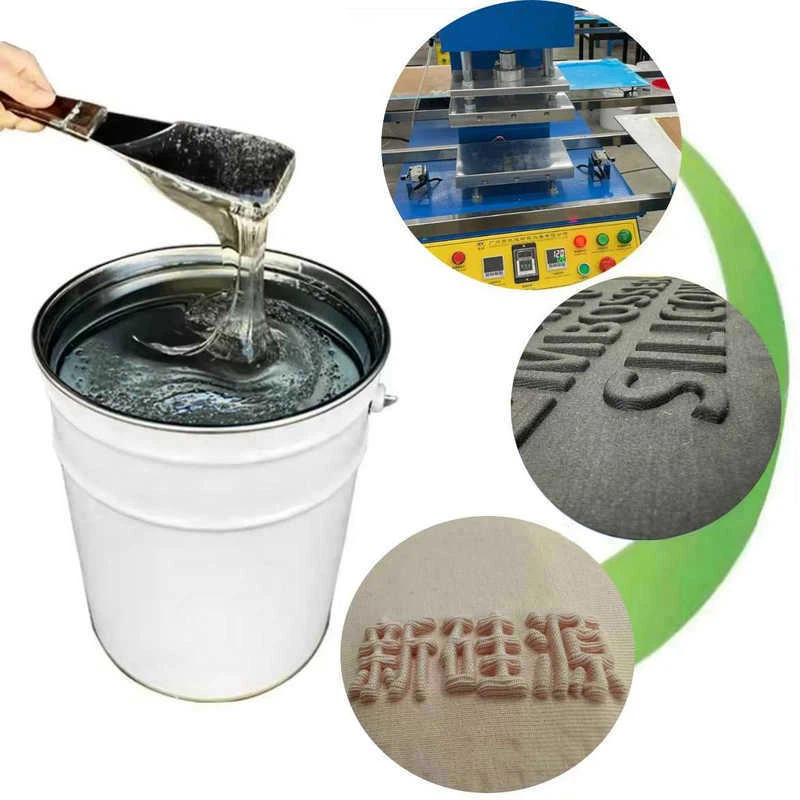
The silicone vulcanization process is a process in which the silicone material undergoes a series of processes and then undergoes high temperature and high pressure to change its molecular structure, thereby forming a silicone product with special properties. This process mainly includes the following steps:
1. Mixing
Raw material preparation: The purchased silicone raw materials are generally block-shaped milky white solids. At this time, the raw materials cannot be directly hot-pressed, and vulcanizers (ripening agents) and other necessary additives need to be added.
Uniform mixing: After accurately weighing the silicone raw materials and various additives according to the formula, put them into the rubber mixer for mixing. During the mixing process, the raw materials and additives are fully mixed and uniformly formed into a silicone mixture through cutting, extrusion, folding and other methods of the rubber mixer.
2. Pressing
Cutting: Cut the mixed silicone raw materials into sizes and weights suitable for the molding machine mold.
Compression molding: Put the cut silicone raw materials into the mold of the molding machine, and through heating, exhaust, pressure holding and other processes, the silicone is molded into the desired shape in the mold. There are many methods of compression molding, such as flat vulcanization, transfer molding vulcanization and injection molding vulcanization. The specific method to be selected depends on the shape, size and performance requirements of the product.
3. Vulcanization
One-stage vulcanization (setting vulcanization): Put the pressed silicone product into the vulcanization furnace and heat it under pressure or normal pressure to set the shape. The vulcanizing gas (such as mercaptan and hydrogen sulfide) in the vulcanization furnace will react with the silicon-hydrogen bond in the silicone molecules, so that the silicone molecules are cross-linked to form silicone products with higher hardness and better elasticity. This stage is mainly to make the silicone products initially formed and have certain physical properties.
Two-stage vulcanization (post-vulcanization): Put the silicone products after one-stage vulcanization into the oven for high-temperature vulcanization to further stabilize the various physical properties of the vulcanized rubber. This stage is mainly to improve the heat resistance, aging resistance and mechanical strength of silicone products.
4. Cooling and post-processing
Cooling: Take the vulcanized silicone products out of the vulcanization furnace or oven, place them in a ventilated place for natural cooling, and wait for their temperature to drop to room temperature.
Post-processing: According to the needs of the product, post-processing processes such as edge removal, surface spraying, printing, and engraving are carried out. These processes can make silicone products more beautiful, practical and meet specific requirements.