


Screen printing plate photosensitive adhesive can be classified from the following different perspectives:
Classification by photosensitive wavelength
Ultraviolet photosensitive adhesive:
This is the most commonly used type of photosensitive adhesive in screen printing platemaking. It is mainly sensitive to ultraviolet light (usually in the wavelength range of 200-400nm).
The advantage is that the ultraviolet light source is easy to equip in the platemaking equipment, the cost is relatively low, and the exposure time is relatively short, and the platemaking efficiency is high.
It is widely used in various conventional screen printing businesses, such as printing plates for printing plastic products, metal products, paper packaging, textiles, etc.
Visible light photosensitive adhesive:
This type of photosensitive adhesive is sensitive to specific wavelengths of light in the visible light range, such as blue light, green light, etc.
It is usually used in some special printing scenarios. For example, when it is necessary to use visible light of a specific color for exposure and avoid the influence of ultraviolet rays on certain special materials or processes, visible light photosensitive adhesive will be selected. However, its platemaking equipment is relatively complex and the cost may be high, so the application scenarios are relatively limited.
Classification by curing state
Solvent-based photosensitive adhesive:
The film layer formed after curing is relatively hard and has high wear resistance and solvent resistance.
It is suitable for printing some items that need to withstand greater friction or contact with more solvents, such as plastic products (such as plastic toys, plastic containers, etc.) and metal products (such as metal nameplates, metal packaging boxes, etc.) printing plate making. Because these items may face more friction or contact with solvents during subsequent use or processing, solvent-based photosensitive adhesive can better ensure the integrity and durability of the printed pattern.
Emulsion-type photosensitive adhesive:
The film layer is relatively soft after curing and has better flexibility.
It is more suitable for printing some materials that require higher flexibility, such as textiles (all kinds of clothing, curtains, etc.) and leather (leather shoes, leather clothes, leather bags, etc.) printing plate making. Because textiles and leather will bend, stretch and other deformations in daily use, the soft film layer formed by the emulsion-type photosensitive adhesive can better adapt to these deformations and will not cause the printed pattern to crack or fall off due to excessive stiffness.
Classification by sensitivity
High-sensitivity photosensitive adhesive:
It can quickly respond to light of a specific wavelength and complete the exposure and curing process in a shorter time.
The advantage is that the platemaking efficiency is high, which can greatly shorten the platemaking time, especially suitable for mass production and urgent platemaking tasks. However, high-sensitivity photosensitive adhesive may have certain limitations in resolution and is not suitable for making very fine patterns.
Low-sensitivity photosensitive adhesive:
It is relatively less sensitive to light and requires a longer exposure time to complete curing.
Although the platemaking speed is slow, it can often form finer patterns with higher resolution, which is suitable for printing some products with high pattern accuracy requirements, such as electronic component logos, high-end cosmetics packaging, etc.
Classification by chemical composition
Diazo photosensitive adhesive:
It uses diazo compounds as the photosensitive component and is a traditional and widely used type of photosensitive adhesive.
It has good performance characteristics such as sensitivity, resolution and adhesion, is sensitive to ultraviolet light, and is often used in various types of conventional screen printing platemaking.
Acrylic photosensitive adhesive:
It uses acrylic compounds as the photosensitive component.
Its characteristics are that the film layer has good flexibility and chemical stability after curing. It is widely used in some printing scenarios that require good flexibility and a certain tolerance to chemical substances, such as textile and leather printing.
Other chemical composition photosensitive adhesives:
It also includes some photosensitive adhesives with other special chemical substances as photosensitive components, such as photosensitive adhesives with azo compounds, thiourea compounds, etc. as photosensitive components. These photosensitive adhesives usually have their unique uses in some specific application scenarios or research fields.
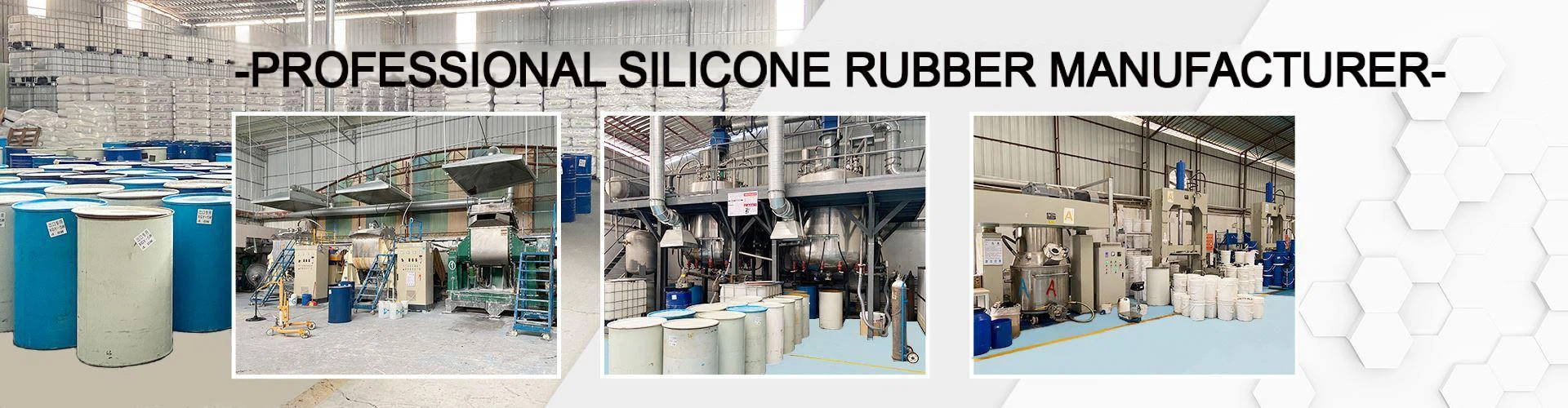
The classified screen printing plate photosensitive emulsion
Nov 20, 2024 Leave a message
Send Inquiry