



How to judge the quality of the screen-printed silicone middle layer?
1. Appearance inspection
Color uniformity:
The color of the high-quality screen-printed silicone middle layer should be uniform and consistent, with no obvious color difference, stains or turbidity. If the color is uneven, it may indicate that the material is not mixed enough or there are impurities, which will affect the silk screen effect and the appearance quality of the product.
For example, in the white silk screen silicone middle layer, if there is partial yellowing or graying, it means that there may be quality problems.
transparency:
Depending on specific application requirements, some screen-printed silicone middle layers need to have a certain degree of transparency. High-quality products should have good transparency and can clearly show the pattern or background color of the lower layer.
The silk screen silicone middle layer can be applied to a transparent substrate to observe its transparency. If the transparency is poor, it may affect the clarity and three-dimensional sense of the silk screen pattern.
Flatness:
The silk screen silicone middle layer with a flat and smooth surface is of better quality. When checking, you can observe with the naked eye or touch with your hand to feel whether the surface is flat, whether there are defects such as unevenness, granularity or bubbles.
For example, during the screen printing process, if the surface of the middle layer is not flat, it will cause uneven ink distribution and affect the printing quality.
2. Performance test
Adhesion:
Good adhesion is one of the important properties of the middle layer of screen printing silicone. Adhesion can be tested by the following methods:
Hundred grid test: Use a knife to cut the surface of the product after screen printing into small squares of 1mm×1mm, then stick tape on the squares, quickly tear off the tape, and observe the shedding of the coating. If the shedding area is less than 5%, it means that the adhesion is good.
Friction test: Use a clean cotton cloth or rubber to rub back and forth on the screen printing surface for a certain number of times to observe whether the coating has shedding, wear and other phenomena. If there is no obvious change in the coating after friction, it means that the adhesion is strong.
Flexibility:
The middle layer of screen printing silicone should have a certain flexibility to adapt to substrates of different shapes and bending, stretching and other situations during use. The product after screen printing can be bent or stretched to observe whether the coating has cracking, peeling and other phenomena.
For example, when screen printing is used for flexible materials such as textiles, plastic films, etc., the flexibility of the middle layer is particularly important.
Weather resistance:
The high-quality silk-screen silicone interlayer should have good weather resistance and be able to maintain stable performance under different environmental conditions. The silk-screened products can be exposed to sunlight, high temperature, high humidity, low temperature and other environments for a period of time to observe the color change of the coating, the change of adhesion, whether cracking occurs, etc.
For example, the silk-screen silicone interlayer used for outdoor advertising, signboards, etc. needs to have strong resistance to UV, rain, temperature difference and other properties.
Curing speed:
The appropriate curing speed can improve production efficiency. The curing speed of the silk-screen silicone interlayer can be judged by recording the time required for the silk-screen silicone interlayer from application to complete curing. Generally speaking, the curing speed is moderate, neither too fast to cause inconvenience in operation nor too slow to affect the production progress.
For example, in large-scale production, if the curing speed is too slow, it will extend the production cycle and increase costs; if the curing speed is too fast, it may cause problems such as uneven coating or bubbles.
III. Composition analysis
Raw material quality:
Understand the raw material composition of the silk-screen silicone interlayer. High-quality products usually use high-purity silicone raw materials and environmentally friendly additives. You can ask the supplier for a list of ingredients or a test report of the product to understand the source and quality of the raw materials.
For example, if the raw materials contain harmful substances or impurities, it may affect the performance and safety of the product.
Curing agent ratio:
The curing agent ratio has an important influence on the performance of the screen printing silicone intermediate layer. The appropriate curing agent ratio can ensure the curing effect and stable performance of the coating. The curing agent ratio can be judged by testing the hardness, adhesion and other properties of the cured coating.
If the curing agent ratio is too high, the coating may be too hard and brittle; if the curing agent ratio is too low, the coating may not be fully cured, affecting the performance.
IV. Production process
Manufacturer qualification:
Choosing a manufacturer with good reputation and qualifications can ensure the quality and stability of the product. You can check the manufacturer's production license, quality management system certification and other certificates to understand its production management level.
For example, manufacturers that have passed the ISO9001 quality management system certification usually have strict quality control standards in the production process, and the product quality is more guaranteed.
Production equipment and process:
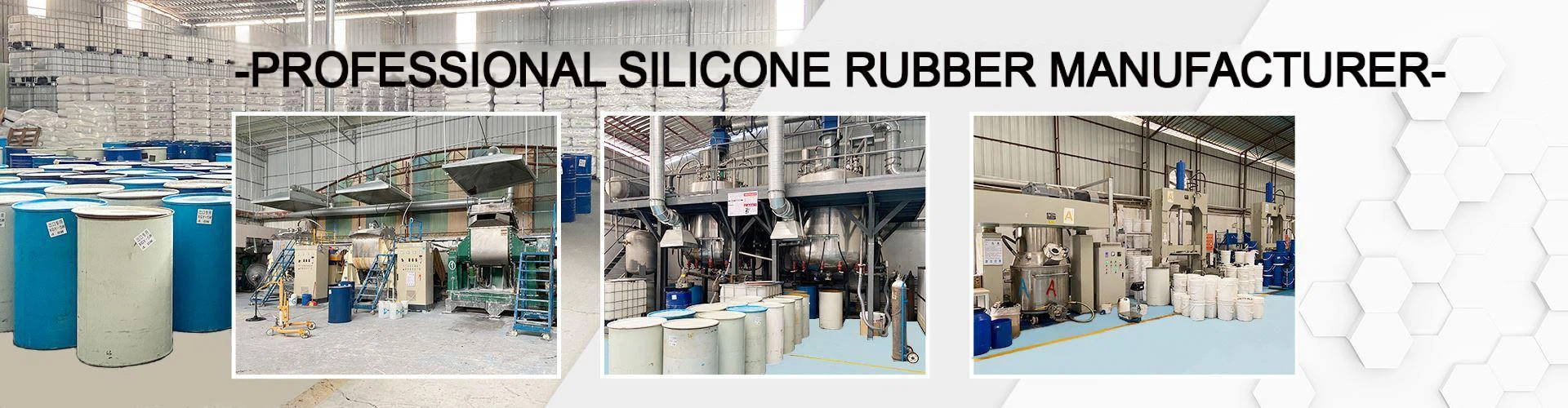
Advanced production equipment and process can ensure the uniformity and stability of product quality. You can understand the manufacturer's production equipment, such as mixing equipment, filtering equipment, filling equipment, etc., as well as the process control measures during the production process. For example, the use of automated production equipment and precise process control can reduce the impact of human factors on product quality and improve product consistency.