



How to Choose the Right Liquid Silicone Rubber for Your Project
Choosing the right Liquid Silicone Rubber (LSR) is one of the most important decisions in product development. Whether you're manufacturing medical devices, automotive components, electrical connectors, consumer products, or industrial seals, selecting the correct silicone grade can significantly impact product performance, manufacturing efficiency, and overall cost.
However, with hundreds of LSR formulations available on the market, many buyers ask the same question:
"How do I choose the right Liquid Silicone Rubber for my application?"
In this guide, we'll explain the key factors you should consider before purchasing Liquid Silicone Rubber and help you find the best material for your project.
What Is Liquid Silicone Rubber?
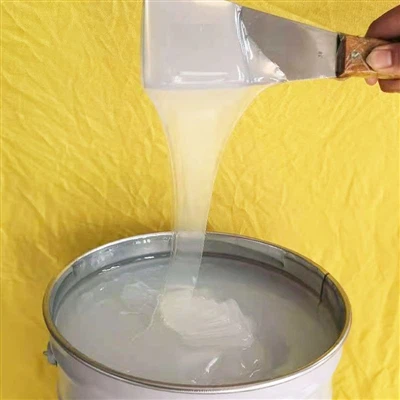
Liquid Silicone Rubber (LSR) is a two-component, platinum-cured silicone elastomer designed for Liquid Injection Molding (LIM). It offers excellent flexibility, high thermal stability, outstanding weather resistance, and exceptional durability.
Compared with traditional rubber materials, LSR provides:
Excellent heat resistance
Superior elasticity
High transparency
Biocompatibility
Fast molding cycles
Low compression set
Excellent aging resistance
These advantages make LSR the preferred material across a wide range of industries.
Step 1: Define Your Application
The first step is understanding where and how the silicone part will be used.
Different applications require different LSR formulations.
Medical Devices
Medical-grade LSR is commonly used for:
Laryngeal Mask Airways (LMA)
Endotracheal Tubes
Catheters
Respiratory Masks
Medical Seals
Wearable Medical Devices
Medical applications require strict compliance with regulatory standards such as ISO 10993, USP Class VI, and FDA requirements where applicable.
Automotive Components
Automotive-grade LSR is suitable for:
Connector seals
Gaskets
O-rings
Sensor components
Cable protection
Self-lubricating parts
Key performance requirements include high-temperature resistance, oil resistance, and long-term durability.
Consumer Products
For consumer goods such as baby products, kitchenware, and wearable devices, manufacturers often prioritize:
Soft touch
Color consistency
Food-contact safety (when required)
Excellent appearance

Step 2: Choose the Correct Hardness
One of the most important selection criteria is Shore A hardness.
Different hardness levels are suitable for different products.
| Application | Recommended Hardness |
|---|---|
| Medical Tubing | 20–40 Shore A |
| Seals & Gaskets | 40–60 Shore A |
| Automotive Parts | 50–70 Shore A |
| Electronic Components | 40–60 Shore A |
| Baby Products | 30–50 Shore A |
Choosing the correct hardness ensures the right balance between flexibility, strength, and durability.
Step 3: Consider Mechanical Properties
Industrial buyers should carefully review the material's technical data sheet (TDS).
Important properties include:
Tensile Strength
Higher tensile strength improves durability under mechanical stress.
Elongation at Break
Greater elongation provides better flexibility and fatigue resistance.
Tear Strength
Essential for products exposed to repeated stretching or sharp edges.
Compression Set
Low compression set ensures sealing performance over long service periods.
Step 4: Evaluate Temperature Resistance
Different environments require different temperature capabilities.
Standard industrial LSR typically performs between:
-50°C to 200°C
Special high-temperature grades may withstand temperatures above 250°C for short periods.
If your products are used in automotive engines, industrial equipment, or sterilization processes, temperature resistance becomes a critical factor.
Step 5: Verify Chemical Resistance
LSR offers excellent resistance to:
UV radiation
Ozone
Moisture
Oxidation
Weathering
Many industrial chemicals
However, if your product will contact fuels, aggressive solvents, or specialty chemicals, discuss the specific chemical exposure with your supplier.
Step 6: Medical Grade or Industrial Grade?
This is one of the most common questions among buyers.
Medical Grade LSR
Recommended for:
Medical devices
Healthcare products
Baby care products
Skin-contact products
Typical features include:
Platinum-cured formulation
Excellent biocompatibility
High purity
Low volatile content

Industrial Grade LSR
Suitable for:
Automotive parts
Electronics
Industrial seals
Consumer products
Electrical components
Industrial grades provide excellent mechanical performance while offering a more cost-effective solution for non-medical applications.
Step 7: Consider Processing Requirements
Your manufacturing process also affects material selection.
Questions to ask include:
Is your injection molding machine compatible with the material viscosity?
What curing speed is required?
Is automatic production planned?
Are short cycle times important?
Selecting an LSR designed for your molding equipment helps improve productivity and reduce defects.
Step 8: Check International Certifications
Reliable LSR suppliers should be able to provide supporting documentation when applicable.
Depending on your application, you may require:
ISO 10993
USP Class VI
FDA compliance
REACH compliance
RoHS compliance
SVHC declaration
PFAS declaration
Technical Data Sheet (TDS)
Safety Data Sheet (SDS)
Having complete documentation simplifies customer approval and regulatory compliance.
Step 9: Evaluate the Supplier
The quality of your supplier is just as important as the quality of the material.
Choose a supplier that offers:
Stable product quality
Technical support
Custom formulations
Fast response
Consistent global supply
Export experience
A reliable supplier can also help optimize your molding process and solve production challenges.
Why Choose ANYSIL SILICONE?
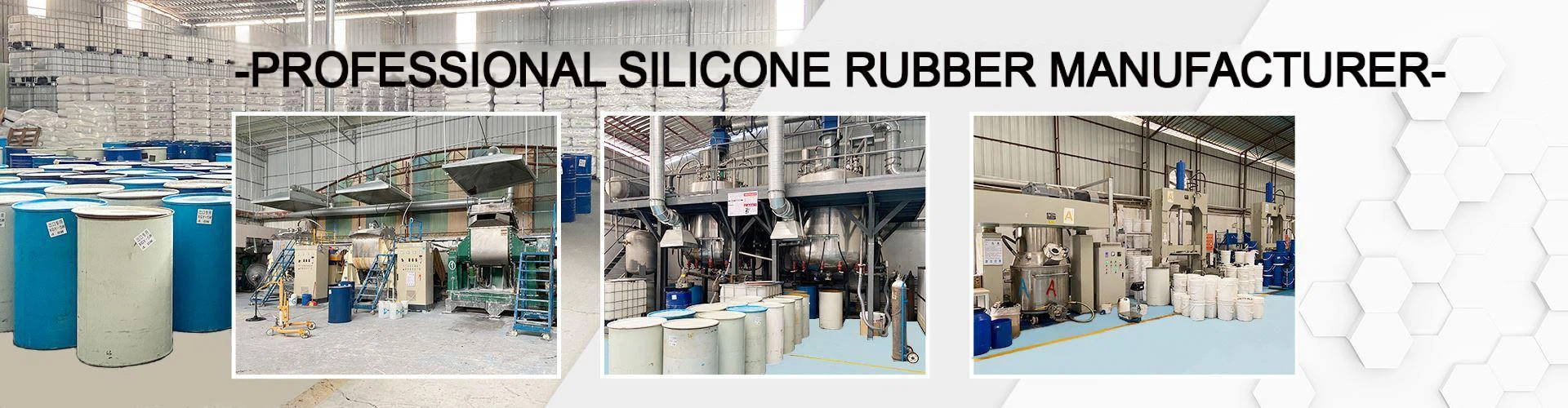
At ANYSIL SILICONE CO., LTD, we specialize in manufacturing high-performance Liquid Silicone Rubber for industrial and medical applications worldwide.
Our product range includes:
Medical Grade Liquid Silicone Rubber
Industrial LSR
Self-Lubricating LSR
High Transparency LSR
Heat Resistant LSR
Customized Silicone Formulations
Why Customers Choose ANYSIL SILICONE
Advanced production technology
Stable product quality
Custom hardness and viscosity options
Strong technical support
Fast global delivery
Extensive export experience across Europe, North America, the Middle East, and Asia
Whether you're producing medical devices, automotive components, consumer products, or industrial seals, our team is ready to recommend the most suitable LSR solution for your project.
Frequently Asked Questions
What hardness should I choose for Liquid Silicone Rubber?
The ideal hardness depends on your application. Soft medical products typically use 20–40 Shore A, while automotive seals and industrial components often require 50–70 Shore A.
Is medical-grade LSR always necessary?
No. Medical-grade LSR is required only for products that contact the human body or must meet medical regulatory standards. Industrial applications generally use industrial-grade LSR.
Can Liquid Silicone Rubber be customized?
Yes. LSR can be customized for hardness, transparency, viscosity, color, self-lubrication, flame resistance, and other performance characteristics to meet specific project requirements.
Final Thoughts
Choosing the right Liquid Silicone Rubber involves more than comparing prices. You need to consider your application, processing method, regulatory requirements, mechanical properties, and supplier capabilities.
By working with an experienced manufacturer, you can reduce production risks, improve product quality, and achieve better long-term value.
At ANYSIL SILICONE CO., LTD, we help customers around the world select the ideal LSR solution for demanding applications. Whether you need Medical Grade LSR, Industrial LSR, or a custom silicone formulation, our technical experts are ready to support your next project.
Contact us today to request a free consultation, Technical Data Sheet (TDS), or product samples.