




Application areas of silicone in shoe design

Sole:
Silicone soles have good flexibility, wear resistance and anti-slip properties. In sports shoes, silicone can be used in specific areas of the sole, such as the bend of the forefoot, to enhance the elasticity of the sole, so that athletes can exert force more smoothly during running, jumping and other actions, while reducing the impact on the foot joints. For example, some professional running shoes will embed silicone pads at the key stress points of the sole, and the thickness is generally between 3-8 mm, which can provide sufficient cushioning without affecting the overall stability of the shoe.
In outdoor shoes, the anti-slip performance of silicone is particularly important. The pattern design of the sole combined with the silicone material can provide reliable grip in various complex terrains and severe weather conditions. For example, the soles of hiking shoes have deep and complex patterns, and silicone is filled in the grooves and raised parts of the patterns, so that the soles are in closer contact with the ground and effectively prevent slipping. The hardness of its silicone is usually between 40-60 degrees Shore hardness, taking into account the needs of anti-slip and wear resistance.
Heel:
Silicone is used in the heel part of high heels to reduce shock and prevent slipping. Silicone heel pads can absorb the impact during walking and reduce foot fatigue. Generally speaking, the thickness of the silicone in the heel pad is 2-5 mm, and it is installed at the joint between the heel and the sole or inside the heel. At the same time, in order to prevent high heels from making too loud noises when walking and increase friction with the ground, a layer of silicone sheet will be covered on the bottom of the heel. The area depends on the shape and size of the heel, and it usually covers 60%-80% of the bottom of the heel. The Shore hardness is about 30-50 degrees, which can ensure anti-slip and will not be too hard to affect the ground.
Insole:
Silicone insoles can provide a comfortable foot feel and good support. Full-palm silicone insoles can evenly disperse the pressure of the foot, which is very suitable for people who stand or walk for a long time. The thickness of the silicone insole is generally 2-6 mm, and there will be some convex or texture designs on the surface to increase the friction between the sole of the foot and the insole and prevent the insole from sliding in the shoe. For example, some work shoes are equipped with silicone insoles, which have a special support structure in the arch area. Silicone with a slightly higher hardness (40-50 degrees Shore hardness) is used to maintain the normal shape of the arch and relieve the discomfort caused by flat feet and other problems.
Upper decoration and functional parts:
In some fashion shoes, silicone is used as a decorative element of the upper, such as silicone shoelace buckles, silicone patches on the upper, or three-dimensional silicone shapes. These silicone parts can not only increase the beauty and uniqueness of the shoes, but also have certain functionality. For example, silicone shoelace buckles can facilitate the tightening and untying of shoelaces. Its shape and size depend on the width and design style of the shoelaces. It is usually about 1-2 cm in diameter, has a certain degree of flexibility and elasticity, and is not easy to break.
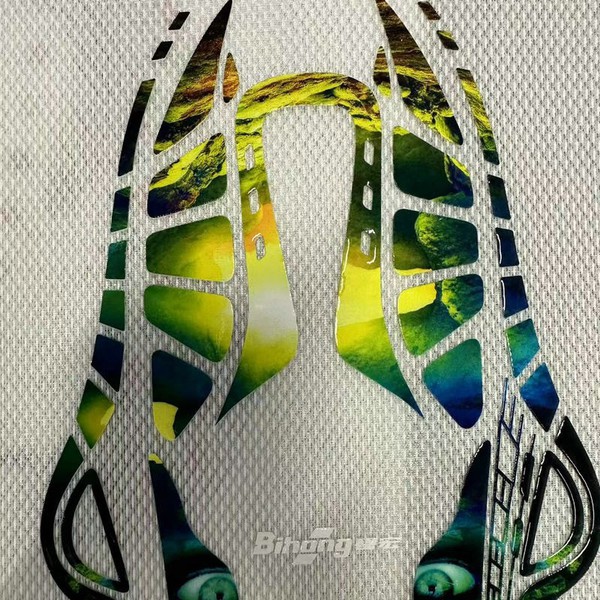
In addition, for some special functional shoes, such as waterproof shoes, the silicone coating or silicone splicing part of the upper can enhance the waterproof performance of the shoes. The thickness of the silicone coating is generally between 0.1 - 0.5 mm, evenly covering the surface of the upper fabric to form a waterproof barrier without affecting the breathability of the upper.