


Injection molding of fumed High-Temperature Vulcanizing (HTV) silicone rubber is a fascinating and crucial process in various industries. As a supplier of Injection Molding Fumed HTV, I've had my fair share of experiences and knowledge about the ins and outs of this material and the injection molding process. In this post, I'll talk about the pressure required for injection molding fumed HTV and why it matters.
Understanding Fumed HTV Silicone Rubber
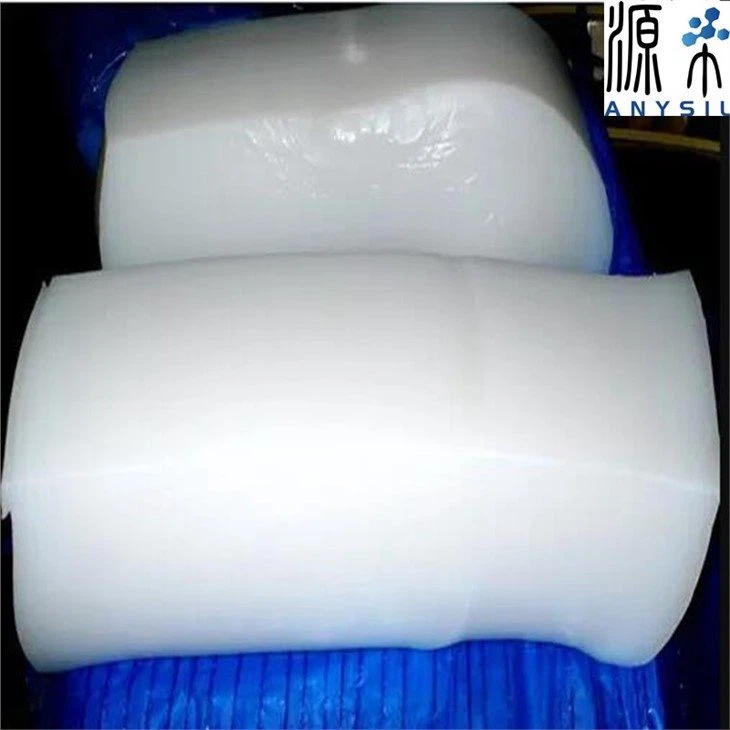
First off, let's get a quick grasp of what fumed HTV silicone rubber is. Fumed HTV is a type of High Consistency Silicone Rubber that's known for its excellent heat resistance, electrical insulation, and chemical stability. It's made by adding fumed silica as a reinforcing filler to the silicone base, which gives it unique properties.
There are different variants of fumed HTV silicone rubber, like High Temp Silicone Molding HTV Rubber, High-Transparent HTV Silicone Rubber, Food Grade HTV Silicone Rubber, and High Tear Strength HTV Silicone Rubber. Each of these types has its own set of applications, from automotive parts and electrical components to medical devices and kitchenware.
The Role of Pressure in Injection Molding
Injection molding is all about pushing the molten rubber into a mold cavity under high pressure. The pressure plays a vital role in ensuring that the rubber fills the mold completely, packs the part to the right density, and maintains the shape until it cools and solidifies.
If the pressure is too low, the rubber might not flow all the way into the mold, leading to incomplete parts or poor surface finish. On the other hand, if the pressure is too high, it can cause flash (excess rubber that squeezes out of the mold), damage the mold, or even affect the properties of the rubber. So, finding the right pressure is key to getting high-quality injection-molded fumed HTV parts.
Factors Affecting the Required Pressure
Several factors influence the pressure needed for injection molding fumed HTV. Let's take a look at some of the most important ones:
Viscosity of the Rubber
The viscosity of fumed HTV silicone rubber is a major factor. Viscosity is basically how thick or thin the rubber is when it's in a molten state. Higher viscosity means the rubber is thicker and harder to flow, so more pressure is needed to push it into the mold. The viscosity of fumed HTV can vary depending on factors like the grade of the rubber, the amount of filler, and the temperature.
Mold Design
The design of the mold also has a big impact on the required pressure. Complex molds with thin walls, small cavities, or long flow paths can make it more difficult for the rubber to flow, which means more pressure is needed. For example, if a mold has a lot of intricate details or a narrow gate (the opening through which the rubber enters the mold), the pressure has to be high enough to ensure that the rubber reaches all the corners of the mold.
Part Size and Shape
The size and shape of the part being molded are important too. Larger parts generally require more pressure to fill the mold completely, as there's more volume for the rubber to cover. Similarly, parts with irregular shapes or thick sections might need higher pressure to ensure proper packing and avoid voids or sink marks.

Temperature
Temperature affects the viscosity of the rubber and the flow characteristics. Higher temperatures generally reduce the viscosity of fumed HTV, making it easier to flow. So, if the temperature is increased, the required pressure might be lower. However, it's important to find the right balance, as too high a temperature can cause the rubber to degrade or vulcanize too quickly.
Determining the Optimal Pressure
So, how do you figure out the right pressure for injection molding fumed HTV? Well, it's a bit of a trial-and-error process, but there are some guidelines you can follow.
Start with Manufacturer Recommendations
Most fumed HTV suppliers provide recommended pressure ranges for their products. These recommendations are based on extensive testing and can be a good starting point. However, keep in mind that these are just general guidelines, and you might need to adjust the pressure based on your specific mold and process conditions.
Conduct Test Runs
Once you have a starting pressure, it's a good idea to do some test runs. Start with a low pressure and gradually increase it until you get a good-quality part. Pay attention to the fill time, the appearance of the part (for example, is there any flash or incomplete filling), and the density of the part. If the part looks good and meets the required specifications, you've probably found the right pressure.
Monitor and Adjust
Even after you've found the optimal pressure, it's important to monitor the process regularly. Factors like changes in the temperature, the viscosity of the rubber, or the wear and tear of the mold can affect the required pressure. So, be prepared to make adjustments as needed to ensure consistent quality.
Why Choosing the Right Supplier Matters
As a supplier of Injection Molding Fumed HTV, I know how important it is to choose the right supplier. A good supplier can provide you with high-quality rubber that meets your specific requirements, as well as technical support to help you optimize your injection molding process.
We offer a wide range of fumed HTV silicone rubber products, including High Consistency Silicone Rubber, High Temp Silicone Molding HTV Rubber, High-Transparent HTV Silicone Rubber, Food Grade HTV Silicone Rubber, and High Tear Strength HTV Silicone Rubber. Our team of experts is always available to answer your questions and provide guidance on pressure settings, as well as other aspects of the injection molding process.
Contact Us for Your Fumed HTV Needs
If you're in the market for injection molding fumed HTV silicone rubber, we'd love to hear from you. Whether you're looking for a specific grade of rubber or need help with your injection molding process, we're here to assist you. Contact us today to discuss your requirements and get a quote.
References
- "Silicone Rubber Technology" by Michael S. Eller
- "Injection Molding Handbook" by Dominik Roy
- Technical data sheets provided by fumed HTV silicone rubber manufacturers